


The most common types of plumbing pipes used in residential homes are PVC, CPVC, PEX, copper, galvanized steel, cast iron, and ABS. Each pipe material serves a specific structural purpose, with flexible PEX and rigid copper primarily used for pressurized indoor water supply lines, while PVC and cast iron are strictly utilized for wastewater drainage and venting. Knowing exactly what materials run behind your walls is crucial when comparing modern tubing options during a renovation or repair. This guide explains the strengths, weaknesses, and best applications for every major pipe material so you can make informed decisions for your property.
- Why Knowing Your Pipe Material Matters
- The Main Categories of Pipe Materials
- PVC Polyvinyl Chloride Pipes
- CPVC Chlorinated Polyvinyl Chloride
- PEX Cross-Linked Polyethylene
- Copper Pipes
- Galvanized Steel Pipes
- Cast Iron Pipes
- ABS Acrylonitrile Butadiene Styrene
- Choosing the Right Pipe for Your Home
- Best Pipe Materials for Miami Homes
- Get Reliable Plumbing Pipe Upgrades
- Frequently Asked Questions
- Can different types of plumbing pipes be connected?
- How can I identify the type of plumbing pipe in my home?
- Do plumbing pipes need maintenance?
- Can old plumbing pipes affect water quality?
- Is it normal to hear noises in plumbing pipes?

Why Knowing Your Pipe Material Matters
Knowing which type of pipes your home has isn’t just helpful in emergencies; it can save you money and protect your property. Different pipe materials have different lifespans, strengths, and weaknesses. Some are more prone to leaks, while others can handle high temperatures or freezing better. In older homes, you might find outdated materials that could lead to serious plumbing issues down the line.
Understanding the types of plumbing pipes helps when talking to plumbers, planning renovations, or figuring out what’s causing strange plumbing noises or water discoloration. It also lets you make more informed decisions when it comes time to replace or upgrade your plumbing system. Even something as simple as knowing whether you have copper or PEX can influence the cost and ease of repairs.
The Main Categories of Pipe Materials
There are several types of plumbing pipes used in homes today. Each has its own set of benefits and drawbacks. Below is a breakdown of the most common materials used for water supply lines, drainage, and waste systems.
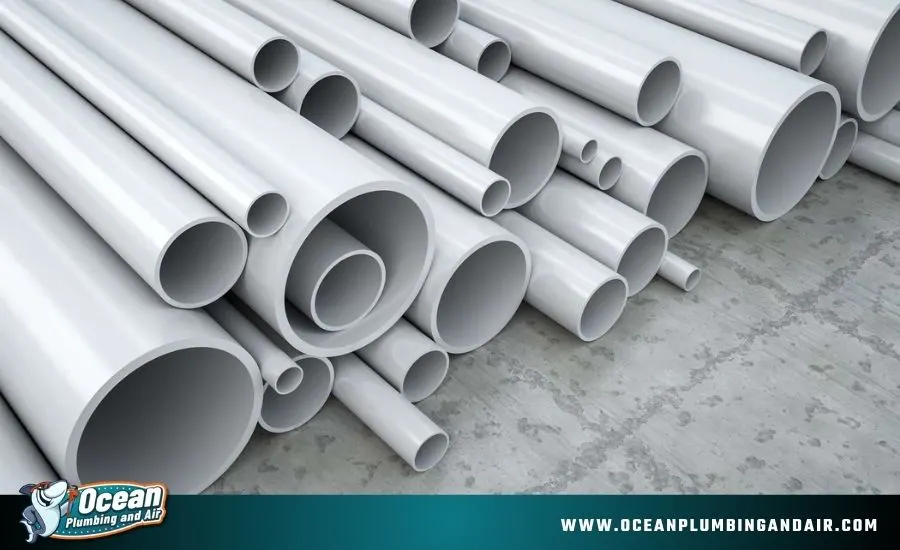
PVC Polyvinyl Chloride Pipes
PVC is one of the most widely used plumbing pipes for drain lines and waste systems. It’s white, lightweight, and easy to work with.
| Pros | Cons | Best For |
| Affordable and easy to install | Not suitable for hot water lines | Drainage systems, toilets, and vent lines. |
| Doesn’t corrode or rust | Can become brittle with time | |
| Long lifespan in the right conditions |

CPVC Chlorinated Polyvinyl Chloride
CPVC is similar to PVC but treated to handle higher temperatures, making it suitable for a hot water supply.
| Pros | Cons | Best For |
| Handles hot and cold water | More expensive than PVC | Hot water lines in residential plumbing. |
| Easy to install | Can become brittle over time | |
| Resistant to corrosion |

PEX Cross-Linked Polyethylene
PEX is a flexible, plastic tubing used in modern homes for both hot and cold water supply lines.
| Pros | Cons | Best For |
| Flexible and easy to install | Cannot be used outside (UV damage) | Indoor water supply lines and retrofitting older homes. |
| Resists freezing and cracking | May not be compatible with older systems | |
| Requires fewer fittings |

Copper Pipes
Copper has been a standard for plumbing for thousands of years. It’s known for its durability and resistance to bacteria.
| Pros | Cons | Best For |
| Long-lasting and durable | Expensive | Hot and cold water supply lines in both new and old homes. |
| Resists corrosion | Requires soldering during installation | |
| Can handle high water pressure and heat |

Galvanized Steel Pipes
Common in homes built before the 1960s, galvanized pipes are steel coated in zinc to prevent rust.
| Pros | Cons | Best For |
| Strong and durable | Prone to rust and clogs over time | Older homes (usually need replacing if still present). |
| Used in older plumbing systems | Heavy and hard to cut |

Cast Iron Pipes
Once common in large or older homes, cast iron pipes were used for heavy-duty drain and waste systems.
| Pros | Cons | Best For |
| Strong and noise-dampening | Very heavy and hard to install | Drainage and sewer lines in older homes or large buildings. |
| Long-lasting in ideal conditions | Prone to rust and corrosion inside |

ABS Acrylonitrile Butadiene Styrene
ABS is a black plastic pipe used for drain, waste, and vent piping. It’s similar to PVC but less common.
| Pros | Cons | Best For |
| Lightweight and easy to install | Not allowed in some building codes | Drain, waste, and vent lines in some residential systems. |
| Good for underground use | Less flexible than other plastic options |
Choosing the Right Pipe for Your Home
Not all plumbing pipes are the same, and what works for one home may not work for another. Here are some key things to consider when choosing the right type of pipe for your home:
- Water Temperature: Use CPVC or PEX for hot water lines; avoid standard PVC.
- Pipe Flexibility: PEX is great for tight spaces and retrofits.
- Cost: Copper pipes are more expensive; PVC and PEX are more budget-friendly.
- Durability: Copper and CPVC last longer but may cost more upfront.
- Local Building Codes: Some areas don’t allow ABS or require copper in certain applications.
If you’re remodeling, replacing outdated galvanized pipes, or building a new home, it’s a good idea to talk with a plumbing professional. They can inspect your current system and suggest the best options for your setup. You’ll want to consider long-term reliability, ease of future repairs, and cost. Building a new home, it’s a good idea to talk with a plumbing professional. They can inspect your current system and suggest the best options for your setup. You’ll want to consider long-term reliability, ease of future repairs, and cost.

Best Pipe Materials for Miami Homes
Choosing the right materials in South Florida requires understanding our unique climate and water quality. Hard water and high humidity can accelerate wear on certain metals. For residential supply lines, PEX tubing and high-grade copper are highly recommended due to their resilience and long-term durability.
If you are concerned about health risks from aging metal systems, upgrading to modern plumbing materials is the safest approach to protect your property.
Our local South Florida environment requires strict compliance with modern building regulations, and checking official federal guidelines for safe household water systems ensures your domestic supply remains pristine.
Get Reliable Plumbing Pipe Upgrades
Choosing the right plumbing pipes can make a big difference in the long-term comfort and safety of your home. Whether you're planning a remodel, dealing with pipe damage, or just curious about what’s running behind your walls, knowing the pros and cons of each pipe type helps you make informed choices.
If your property relies on failing materials like old galvanized steel, we offer flexible financing options for whole-home repiping projects to protect your investment without breaking the bank.
If you need expert advice or reliable Miami plumbing service, Ocean Plumbing and Air is here to help. Our local experts can inspect your system, explain your options in plain terms, and ensure everything runs smoothly. Call us today to schedule a visit or learn more about how we can assist with your plumbing needs, including financing for whole-home repiping in Coral Gables.
Ocean Plumbing and Air is a Plumbing and HVAC contractor in Miami FL, specializing in full-service plumbing repairs and AC repair services for local homeowners.
Frequently Asked Questions
Can different types of plumbing pipes be connected?
Yes, different plumbing pipe types can be connected using proper fittings and adapters. However, compatibility and building code approval must be verified before connecting materials like copper and PEX.
How can I identify the type of plumbing pipe in my home?
Look at the color, texture, and markings on exposed pipes. For example, copper is metallic and reddish, PVC is white plastic, and galvanized steel appears silver-gray and threaded.
Do plumbing pipes need maintenance?
Yes, even durable pipes benefit from occasional checks for leaks, corrosion, or water pressure changes. Early detection can prevent major plumbing issues and water damage.
Can old plumbing pipes affect water quality?
Yes, older pipes like galvanized steel can rust internally and release particles into your water. This can affect taste, clarity, and even stain sinks or laundry over time.
Is it normal to hear noises in plumbing pipes?
Some noise is normal, but loud banging, whistling, or gurgling sounds can indicate issues like trapped air, loose fittings, or water hammer that may need inspection.
Related reading: PEX vs copper piping guide, and kitchen remodel re-piping.
For more details, see our guide on toilet auger vs. snake guide.
Prefer to leave it to a pro? Ocean Plumbing and Air is a trusted plumber in Miami serving Doral, Hialeah, and nearby North Central Miami-Dade.
Recent Posts
-

Garbage Disposal Repair & Installation in Miami
Oct 07, 2026 -

Leaky Faucet Repair in Miami
Oct 07, 2026 -

Toilet Repair & Installation in Miami
Oct 07, 2026 -

Clogged Toilet & Drain Repair in Miami
Sep 25, 2026 -

Signs You Need a Plumber in Miami
Sep 25, 2026